The water bill jumped
A bill that climbs with no change in habits is the most common first sign of a leak on the supply side.
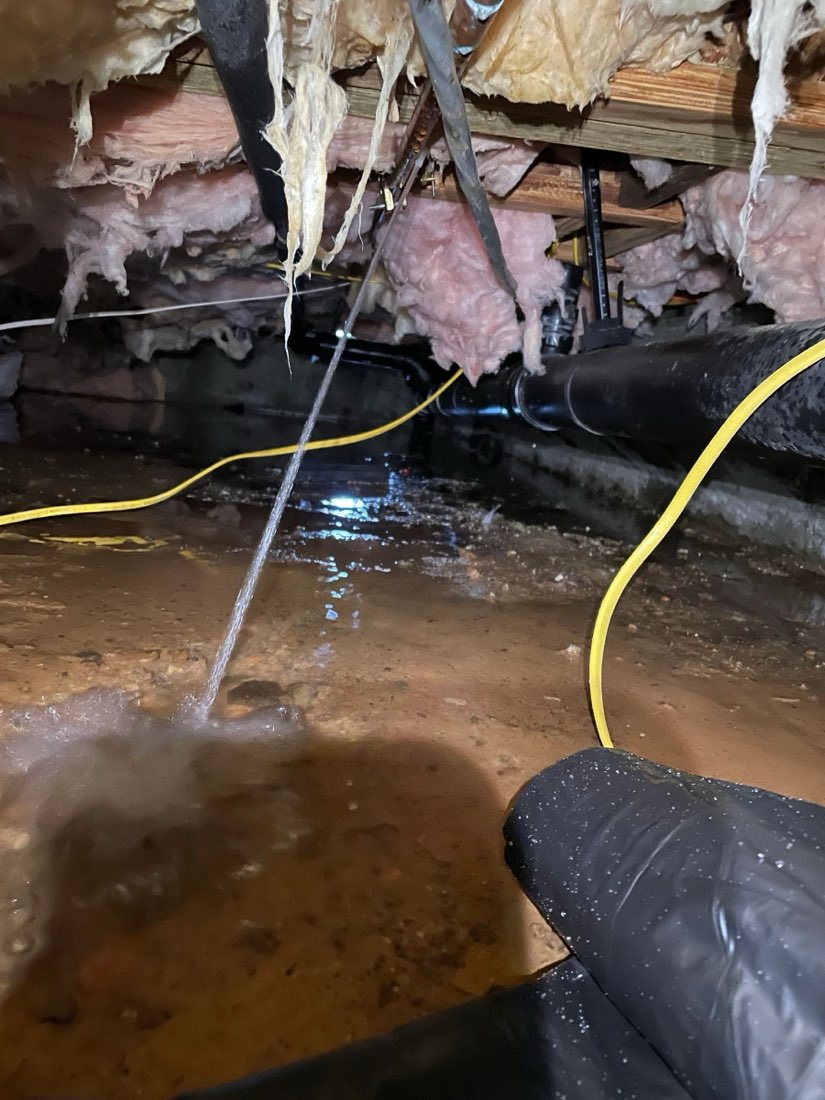
A leak you can see is a repair. A leak you cannot see is a repair plus a floor, plus a subfloor, plus whatever the water found on the way down. We find them first.
Most of the leaks we're called for are somewhere nobody wants to go — under the house, under a slab, behind a wall. Locating it accurately is most of the job: it's the difference between opening one section of floor and opening four.
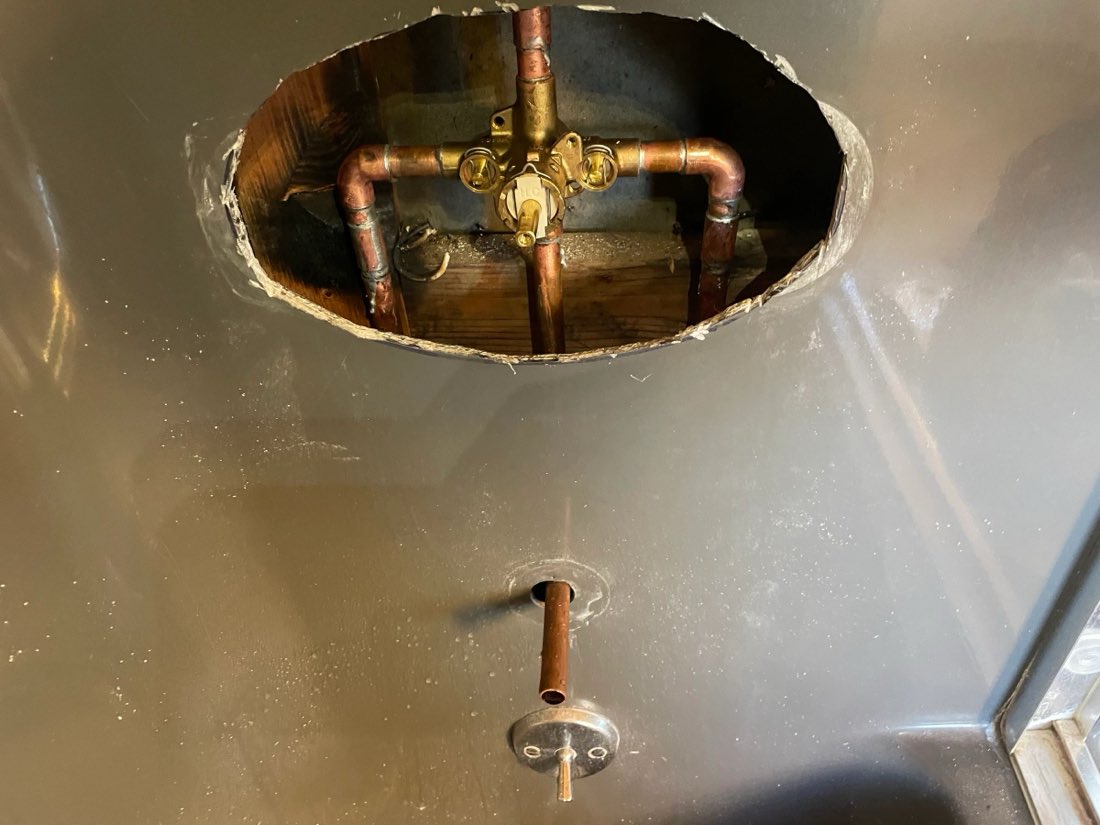
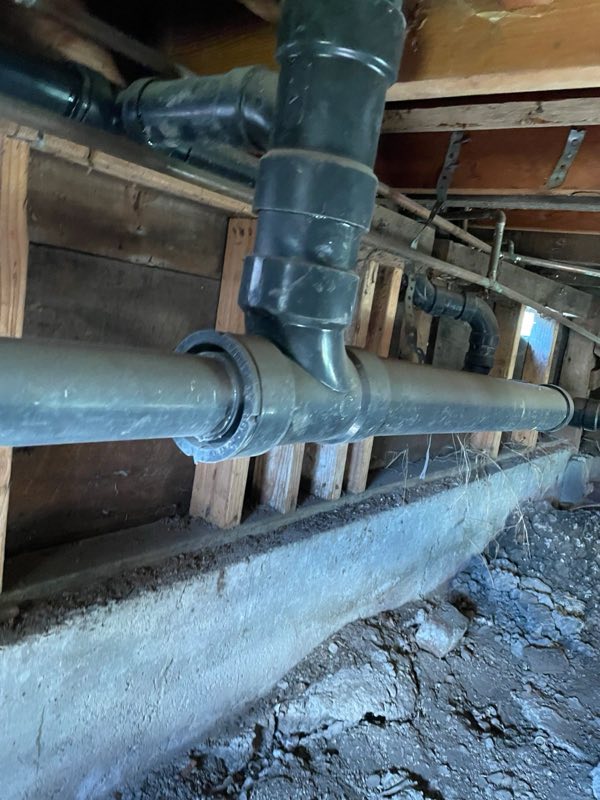
Once we've found it, we'll show you what we found and explain the options — the immediate repair, and whether the surrounding run is close enough to failure that it's worth doing at the same time.
A bill that climbs with no change in habits is the most common first sign of a leak on the supply side.
Water audible when every fixture in the house is off almost always means a leak somewhere in the line.
A warm patch on a slab floor usually points at a hot water line leaking underneath it.
Smell often arrives before any visible water does — especially with slow leaks under the house.
Fixtures that used to run strong and now don't can indicate a failing line or a leak upstream of the house.
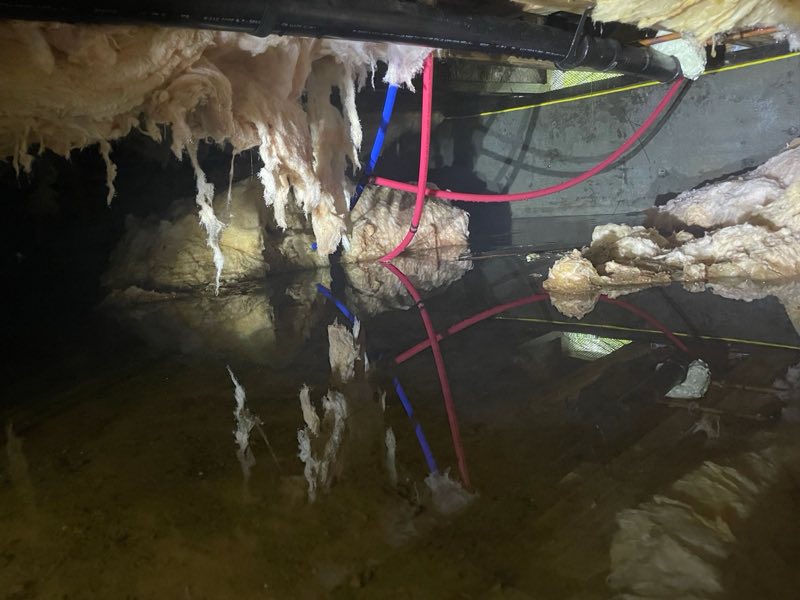
If you've been under the house and found water, don't wait on it — the structure gets expensive fast.
Free estimate, and no charge to come out and diagnose. The sooner it's located, the smaller the repair.