1 · Shut the main off
Whole-house main first. If you can't reach it or it won't turn, go to the local shutoff under the fixture that's leaking.
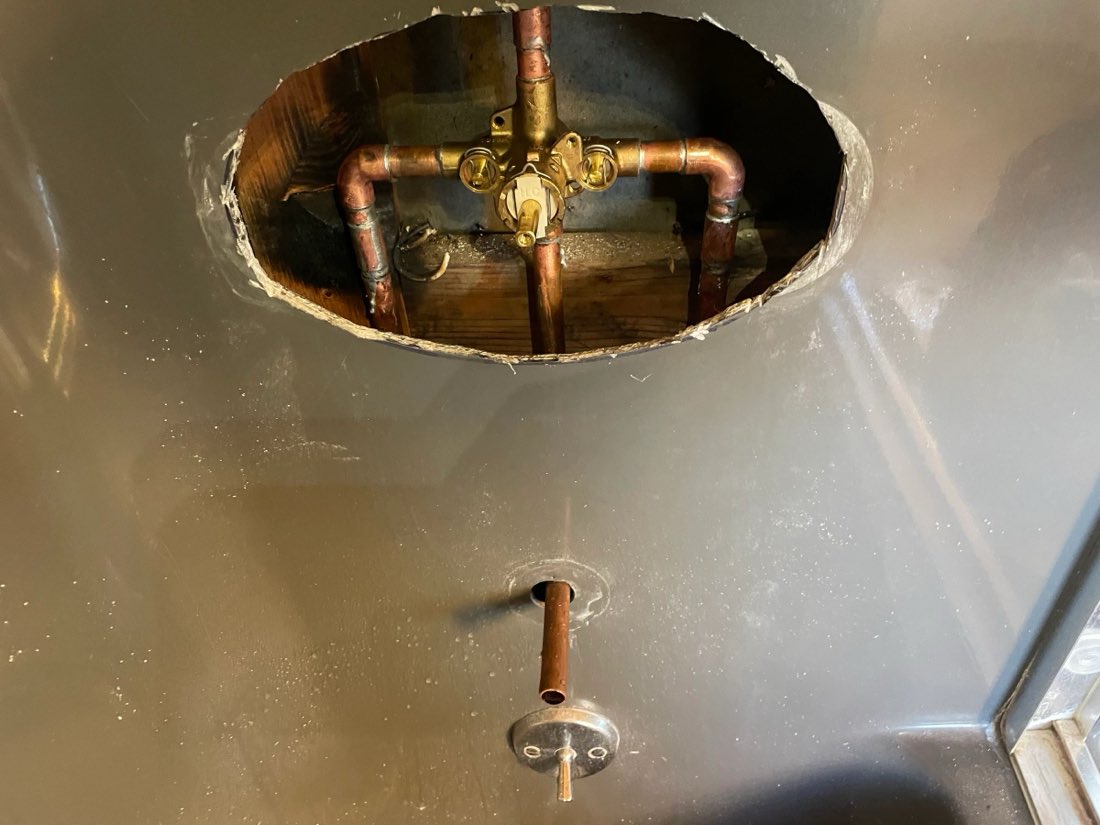
Hey Sonoma County — here are the things we end up explaining on almost every call. Worth knowing before something goes wrong, and worth five minutes this weekend.
This is the single most useful thing a homeowner can know. When a line lets go, the difference between a wet floor and a wrecked floor is how fast the water stops.
On most Sonoma County homes the main is in one of three places: at the street in a concrete meter box (you'll need a meter key), on an exterior wall near the front hose bib, or in the garage where the line enters. Find it, make sure the valve actually turns, and show everyone in the house.
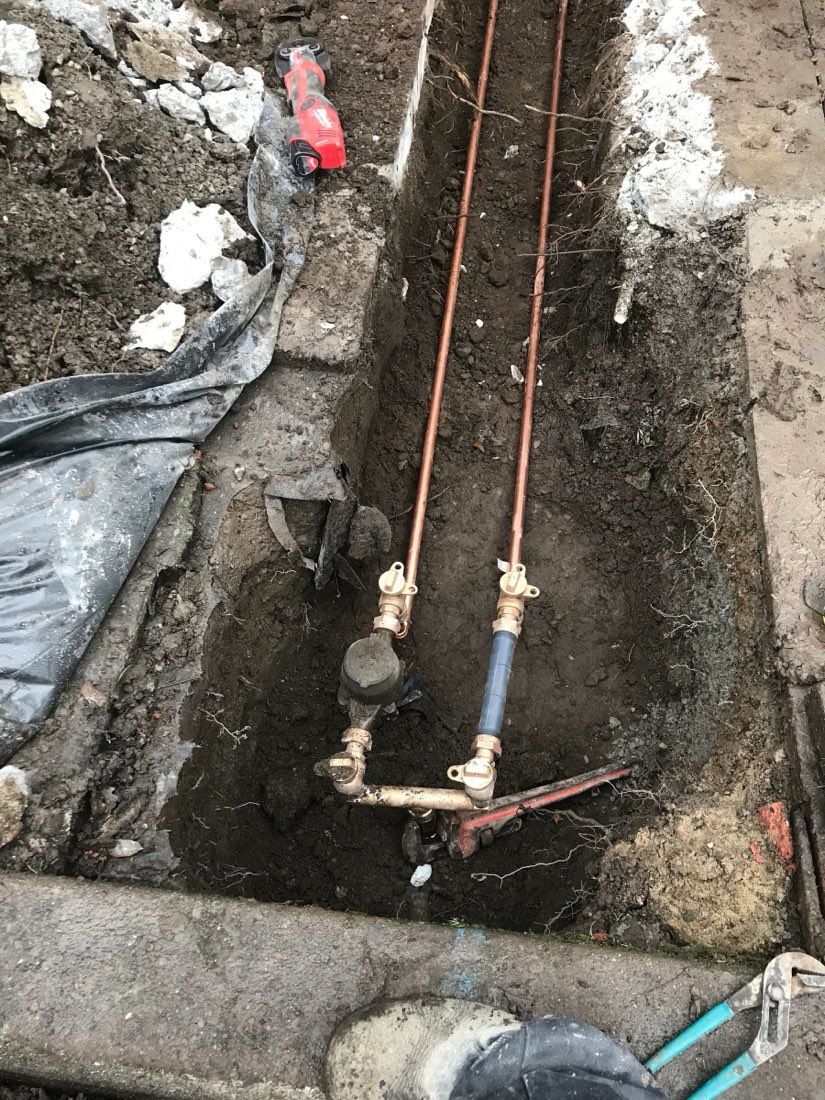
In this order, and don't worry about the mess until the water is off.
Whole-house main first. If you can't reach it or it won't turn, go to the local shutoff under the fixture that's leaking.
If water is anywhere near outlets, panels or a water heater's electrical, shut that circuit off at the breaker before you wade in.
Opening the lowest tap in the house drains the pressure and the standing water in the lines instead of pushing it out of the break.
Before you clean up. If insurance ends up involved, the photos taken in the first ten minutes are the ones that matter.
707-576-8500 during business hours. Tell us what you shut off and what you're seeing — it usually tells us what to bring.
Fans, open windows, pull up soaked rugs. Water that sits for two days becomes a much bigger and more expensive problem than the plumbing.
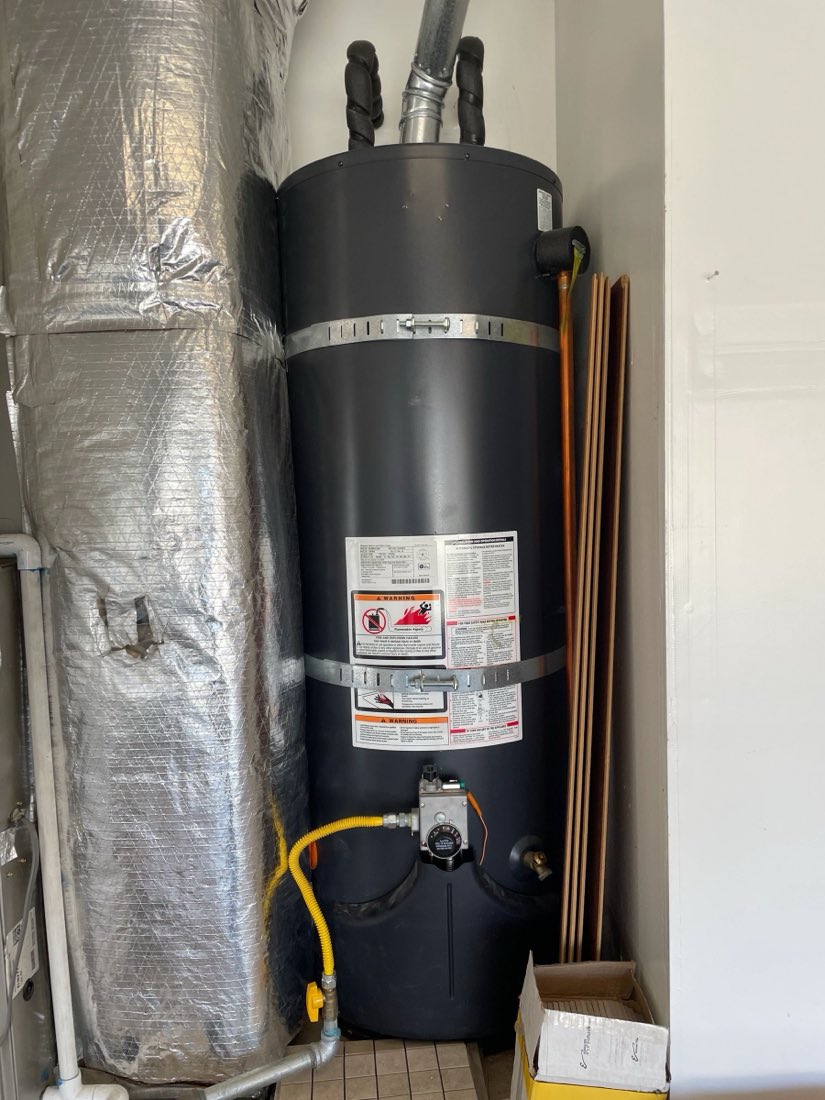
Rough numbers, and they vary with water quality and use — but if something on your house is well past these, it's worth knowing rather than being surprised.
Not sure how old your water heater is? We can read the serial number and tell you — no charge.
We don't get a hard freeze often here, but when we do it's the unprotected outdoor plumbing that goes — hose bibs, exposed lines in crawlspaces, and anything running along an uninsulated exterior wall.
West county especially — a crawlspace that takes water every winter will eventually take out the plumbing supports and anything wooden it touches.
It cools and coats the inside of the line. Most kitchen drain blockages we cut out started as cooking grease.
They don't break down. They are the single most common cause of a blocked lateral we get called for.
They can damage older pipe and they rarely clear a real blockage — they just move the problem and make it hazardous to work on.
Hand tight plus a quarter turn. Cranking on a compression nut is a classic way to turn a small drip into a real leak.
A toilet that keeps cycling can waste hundreds of gallons a day. It is usually a $15 part and twenty minutes.
If you smell gas, leave and call PG&E from outside. That's not a wait-till-morning problem, and it isn't a DIY one.
Send a photo or just describe it on the phone. No charge to come out and diagnose, and no obligation after.